NextStair
Ad
ElevenLabs: AI Voice Generator | Sign Up Now FREE
Try Now

Best Content Calendar Tools 2026

Find content calendar tools that help content teams plan, schedule, visualize, and coordinate publishing across multiple channels and formats. A content calendar brings order to editorial workflows and ensures consistent publishing cadences. Compare multi-channel calendar views, team assignment and approval workflows, integration with publishing platforms, and asset attachment capabilities.

6 tools
Showing 1–6 of 6 tools
Strive Content Calendar - WordPress Editorial Calendar for Teams

WordPress editorial calendar for organized content teams
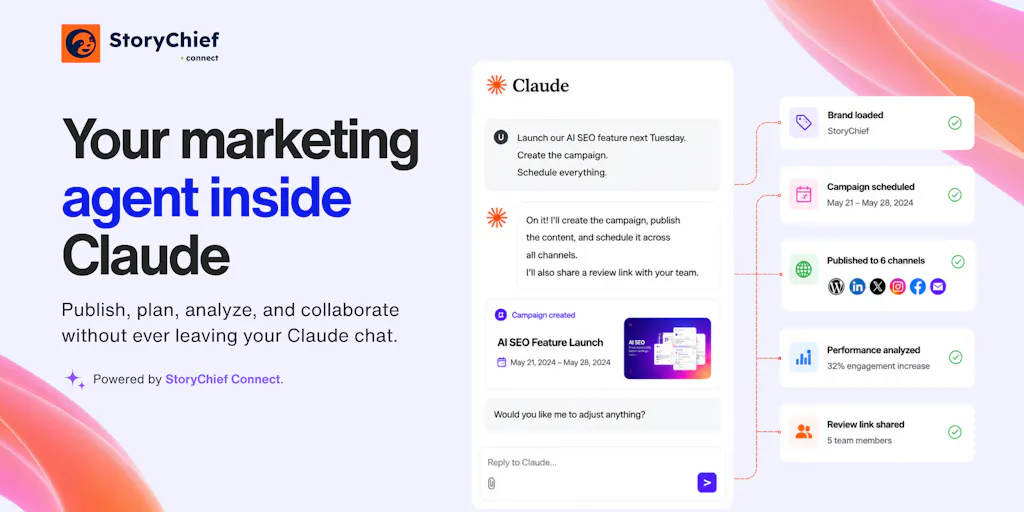
StoryChief.io - Multi-Channel Content Distribution from One Hub

AI-powered content marketing platform for smarter, faster, on-brand content
Postmixr - Schedule to Seven Platforms at Once

Schedule posts to every platform in 60 seconds, no setup wizards required
contentcloud - Auto-Tag and Organize Brand Assets

AI-powered DAM that turns scattered files into streamlined workflows.

Planable - Team Approval Workflows for Agencies

Collaboration-first social media management for agencies and brands

Flat Social - AI Campaigns with Human Review

AI social media workspace for agencies - from idea to publish in one flow

A content calendar tool gives your marketing a schedule, mapping what you publish, where, and when across blog, social, email, and video. It replaces the scramble of deciding each morning what to post with a plan the whole team can see and work from.

What a content calendar organizes

These tools show planned and published content on a calendar, assign owners and deadlines, and track each piece through drafting, review, and scheduling. Many connect to social accounts so a post moves from idea to scheduled without leaving the tool, and campaign views group related content around a launch or theme.

Content calendars in the marketing stack

A calendar pairs with content research to fill the pipeline with ideas and content repurposing to stretch each piece across formats. For scheduling social specifically, it overlaps with social scheduling tools.

Frequently Asked Questions

What is the best content calendar tool?
CoSchedule is the most purpose-built content calendar platform - combining editorial calendar, social media scheduling, and marketing project management. Trello, Notion, and Airtable serve as flexible content calendar bases that many teams customize. Later and Buffer include calendar views alongside their social scheduling. For large content teams, Contentful and Gather Content manage editorial workflow alongside CMS publication.
What should a content calendar include?
A complete content calendar tracks: publish date and time, content type (blog, video, email, social), topic and working title, assigned writer/creator, status (ideation, drafting, review, scheduled, published), target keyword or campaign, and distribution channels. Optional additions: target audience segment, funnel stage, performance tracking links, and repurposing notes for transforming content across formats.
How far in advance should I plan my content calendar?
Plan content at least 4-6 weeks ahead for blog posts requiring research and approval cycles. Social media content can be planned 2-3 weeks ahead. Campaign content tied to product launches or seasonal events needs 8-12 weeks lead time for production. Keep 20-30% of the calendar flexible for reactive content and trending topics. Over-planning rigidly prevents capitalizing on timely opportunities.
What is the point of a content calendar?
A content calendar turns ad hoc publishing into a deliberate plan, showing what you will publish, on which channels, and when. It keeps a team aligned, prevents last-minute scrambles, ensures a steady cadence rather than sporadic bursts, and helps you balance topics, formats, and campaigns over time. By seeing the whole schedule at once, you can plan content around product launches, seasons, and events, avoid gaps and duplication, and hold contributors to deadlines. The result is more consistent, strategic content instead of whatever someone thought of that day.
How far in advance should you plan content?
A common approach is a rolling window: plan the next month or two in detail while sketching a looser outline three to six months ahead. Near-term content deserves specific topics, owners, and deadlines because you understand current priorities, while distant content should stay flexible since strategy and events will shift. Time-sensitive pieces tied to launches, seasons, or campaigns need to be scheduled far enough ahead to produce them properly. The goal is enough runway to work without rushing, without over-committing to a rigid plan that reality quickly outdates.
Should one calendar cover all content channels?
Usually yes, a single unified calendar gives the clearest picture. When blog posts, social updates, emails, and videos all appear in one view, you can coordinate them, reinforce a campaign across channels, avoid clashing messages, and spot gaps or overloads. Managing each channel in a separate calendar makes coordination hard and hides conflicts. A unified calendar can still filter by channel when someone needs to focus, but keeping everything in one place is what enables the cross-channel planning that makes content marketing coherent rather than fragmented.