

Best E-Commerce Tools Tools 2026
Browse the best e-commerce tools and platforms for building, managing, and growing online stores. From comprehensive e-commerce platforms to specialized tools for product discovery, checkout optimization, inventory management, and shipping - this category covers the complete e-commerce tech stack. Find the right tools for your store size, business model, sales channels, and growth ambitions.
.svg)


Find winning dropshipping products before they go viral

Dropshipping + trading in one AI-powered platform
Official API TikTok Shop automation without proxies or VPS

Find unsaturated fashion winners in seconds, not weeks
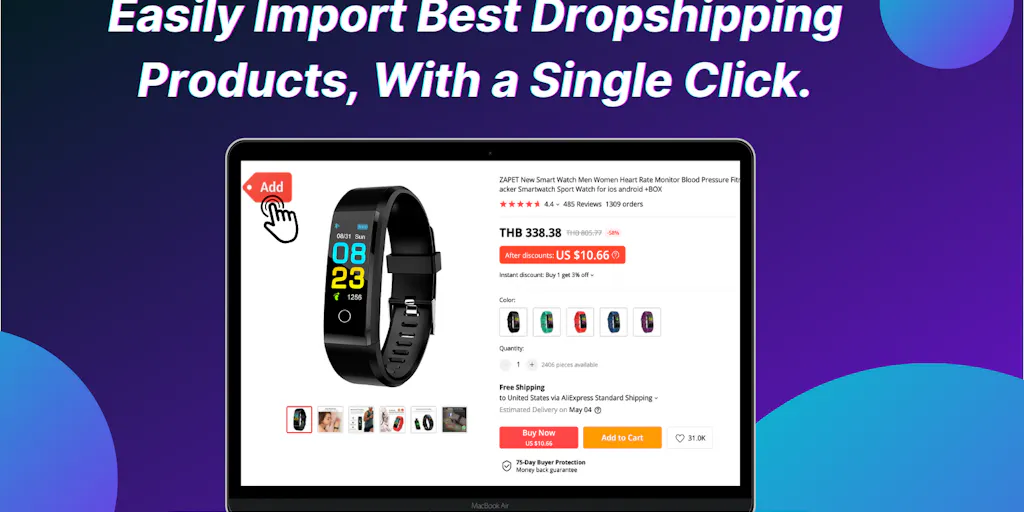
Import winning dropshipping products in one click, powered by AI.

Find winning dropship products and the ads scaling them in real-time.

Find AliExpress products instantly with reverse image search

Launch your beauty brand with white label dropshipping - no MOQ, just quality.

Build winning Shopify stores with AI in minutes

Open-source commerce platform built for developers and AI agents

Build your community, own your audience, make money online.

Create your free WhatsApp storefront and start selling in minutes

Build and sell your way on the world's best commerce platform
All-in-one ecommerce platform that turns your Discord server into a selling machine
Self-hosted ecommerce without the plugin pileup

Custom ecommerce store in 14 days - own your store, keep your customers.

AI-powered marketplace empowering Indian artisans to reach the world
Launch your online store in minutes - no coding needed
Turn photos into perfect listings in secondsâsell your stuff anywhere
Manage and distribute product catalogs across all your sales channels with AI
The world's largest marketplace to buy and sell online businesses, apps, and websites

Launch your product in minutes with 1-click payments and conversion optimization

Build and run your own ecommerce store from Etsy - no developers, designers, or team needed.

Custom print-on-demand & dropshipping for your brand
Free bulk mockups in seconds - no Photoshop, no watermarks.

Free t-shirt mockups in 60 seconds. No signup, no watermarks, commercial use.

Create and sell personalized books with zero upfront costs - keep 70% of earnings
Design and sell custom print-on-demand products with no inventory required
Find your next business idea with evidence-backed research.

Track Shopify competitors' new products and prices automatically.

India's #1 product research platform for Amazon & Flipkart sellers

Find winning Amazon products & dominate BSR with AI-powered market research

Find and monitor competitors in 30 seconds, not weeks
AI product descriptions that convert in 30+ languages

Know your Shopify app's worth in minutes with AI-powered valuation

Customize checkout & boost AOV with upsells, trust badges & post-purchase offers

Find your Shopify competitors and reveal all their secrets in seconds

AI-powered Shopify bio page that turns followers into buyers

Stop bots from poisoning your abandoned cart flows

AI-powered product descriptions & SEO content for Shopify in 20+ languages

AI-powered no-code Shopify page builder that converts designs to live stores instantly

AI workforce that runs your eCommerce store 24/7 - no hiring needed
.png)
Add a ChatGPT-powered chatbot to Shopify in minutes

See your true profit, not just revenue

Post-purchase upsells & order editing to boost AOV and cut support costs

Score customers, predict churn, and automate campaigns with Claude AI

Turn UGC videos into sales with shoppable, embeddable video galleries.

One-click EU-compliant subscription cancellation for Shopify stores

Launch targeted surveys in 1 minute to boost ads, CVR & customer insights
AI Size Recommendations That Cut Returns by 30%
Running an online store is really running several businesses at once: sourcing, merchandising, marketing, fulfillment, and support, each with its own software. The platform is only the front door. What determines whether a store grows is the stack of tools around it that handle finding products, converting visitors, and keeping customers. Getting that stack right matters more than the theme on the storefront.
The storefront and its extensions
At the base sit the e-commerce platforms like Shopify and WooCommerce that host the store and process payments. Because no platform does everything, an ecosystem grows on top, and Shopify apps add reviews, upsells, loyalty, and analytics that turn a basic store into a tuned selling machine.
Deciding what to sell
Product choice makes or breaks a store, and it can be researched rather than guessed. Product research tools surface demand and competition before you commit inventory. For lower-risk models, dropshipping and print on demand tools let you sell without holding stock, shifting the bet from inventory to marketing.
Winning happens after the click
Getting traffic is only half the job; keeping the sale is the other. Cart abandonment, weak follow-up, and clumsy checkout quietly leak revenue that better tooling recovers. Recover carts and nurture buyers with email marketing, and drive qualified traffic through paid advertising, since a store that converts well can afford to buy more visitors profitably.