
NextStair
Ad
ElevenLabs: AI Voice Generator | Sign Up Now FREE
Try Now

Best Fitness Apps 2026

Find fitness and workout apps that provide guided training plans, exercise tracking, nutrition logging, and progress monitoring. Digital fitness tools make structured training accessible without gym memberships or personal trainers. Compare workout library depth, personalization to your goals and fitness level, progress tracking accuracy, nutrition integration, and community features for accountability.

14 tools
Showing 1–14 of 14 tools
A

Scan ingredients instantly and understand what's in your food

Hair Transplant AI Success - Predict Hair Transplant Results

AI-powered graft counting and hair transplant success analysis at your fingertips

R

Understand your scan in seconds—no jargon, just clarity.

Run with me - Find Running Buddies in Baku

Find running buddies, track your pace, join 320+ clubs in Baku.
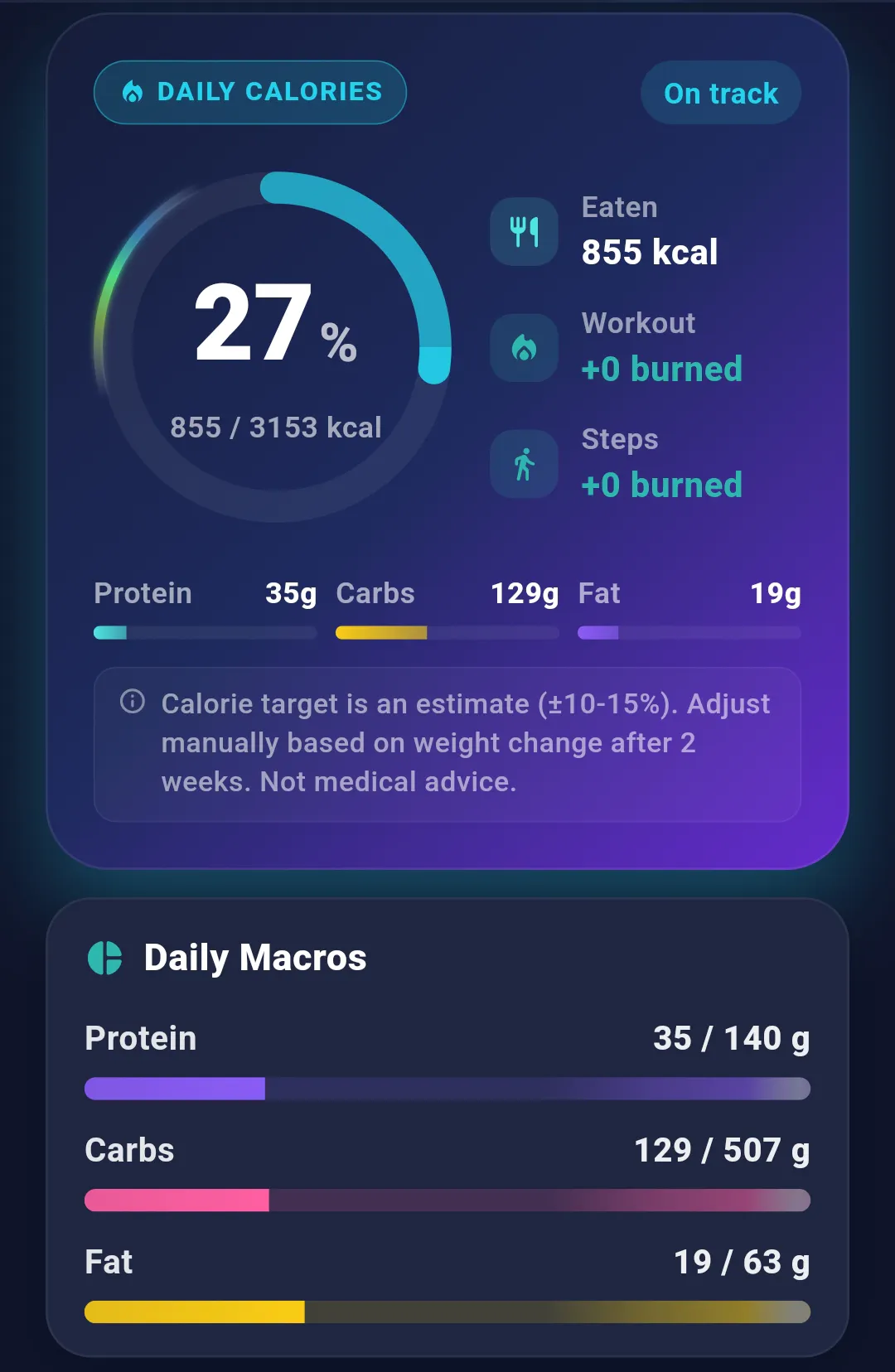
KeplerFit - AI Fitness Planner & Tracker

AI fitness planner with workout guides, calorie tracking, and progress insights

Cloudfit - AI Fitness Coach

Adaptive AI coaching that evolves with your body and goals

Zing AI Fitness Coach - Vision-Based Form Tracking

AI fitness coach that adapts your workouts in real-time with vision-based form tracking
Make Me Workout - No Subscriptions, Just Workouts

Own your fitness journey - no subscriptions, just workouts.

Aruki - Coached Interval Walking

Coached interval walking with a calm voice in your pocket.

Empirical Health - Prevent Heart Attacks with Biomarkers

Prevent heart attacks with 100+ biomarkers and personalized heart health plans.

PeakRoutine - AI Health Coach from Biomarkers

AI health coach that connects your biomarkers and builds personalized habits that work
Fitpulse - Home Workouts & Calorie Tracking

Home workouts, calorie tracking & progress - no gym needed

Sponsored
DA
Descript: AI Video Editor
Impakt - AI Coach & Super Health App

AI coaching meets cash rewards, get fit and earn.

LogBone - AI Fitness Coach & PR Tracker

AI fitness coach that remembers your data and reads it before it talks.

Fitness apps help people plan workouts, track activity, and stay motivated, from guided exercise routines and running trackers to strength-training logs and habit streaks. Their real value is consistency: an app that makes it easy to show up and see progress does more than any single perfect workout plan.

What fitness apps offer

These apps range from guided video workouts and structured training programs to activity trackers that log steps, runs, and heart rate, often syncing with wearables. Logging features track sets, reps, and personal records, while social and streak elements provide the accountability that keeps people exercising past the first enthusiastic week.

Fitness apps in wellness

Physical fitness connects to mental wellbeing, so these apps complement mental health apps, and for health concerns they pair with telemedicine for professional guidance. Fitness apps support healthy habits but do not replace medical advice.

Frequently Asked Questions

What is the best workout app?
Nike Training Club provides free access to hundreds of workouts for all fitness levels across strength, endurance, yoga, and mobility. Strong and Hevy track weightlifting sessions with history and progressive overload tracking. Peloton app offers live and on-demand classes across modalities (cycling, running, strength, yoga). Strava tracks outdoor running and cycling with community features. MyFitnessPal remains the most comprehensive nutrition and calorie tracking app.
What is the best app for building muscle?
Renaissance Periodization (RP Strength) app builds research-backed hypertrophy programs that auto-regulate based on your performance and recovery feedback. Dr. Muscle creates AI-generated periodized training programs. Strong and Hevy track progressive overload systematically. Building muscle requires consistent progressive overload, adequate protein intake (0.7-1g per pound of bodyweight), and sufficient sleep - any app that helps you track these three factors supports muscle growth.
Is tracking calories necessary to lose weight?
Calorie tracking is highly effective for creating the calorie deficit required for weight loss - it builds awareness of food quantities and energy intake. Studies show tracking (even rough estimates) produces better weight loss outcomes than intuitive eating for most people. However, strict calorie counting is not required for everyone - food quality improvements, eating patterns, and portion awareness can achieve similar results for those who find tracking unsustainable. Use what you will actually maintain consistently.
Do fitness apps actually help people get fit?
They can, primarily by supporting consistency, structure, and motivation, which are the real drivers of fitness results. A good app provides a clear plan so you know what to do, tracks progress so you can see improvement, and uses reminders, streaks, or social features to keep you showing up. For many people this structure and accountability makes the difference between exercising regularly and not. However, the app is a tool, not magic: results come from actually doing the workouts consistently over time. Apps help most people who use them steadily, and help little for those who download and abandon them. The habit matters more than the specific app.
Are free fitness apps good enough, or do you need a paid one?
For many people, free apps or free tiers are entirely sufficient, offering workout libraries, basic tracking, and enough structure to build a routine. Paid apps or subscriptions add value through personalized programs, coaching, more advanced tracking and analytics, larger content libraries, and integration with wearables. Whether that is worth paying for depends on your goals and how much guidance you want. Someone who just wants to move more regularly may never need to pay, while someone pursuing specific, structured training may benefit from a paid program. Start free, and upgrade only if you find yourself needing features the free version lacks.
Can fitness apps replace a personal trainer?
For general fitness and structured guidance, they can substitute for a trainer at far lower cost, providing plans, form demonstrations, and progress tracking. However, they cannot fully replace a good trainer's individualized attention: real-time form correction, adjustments based on your body and limitations, motivation tailored to you, and accountability from a real person. For beginners at risk of injury, people with specific conditions or goals, or those who need hands-on coaching and accountability, a trainer offers things an app cannot. Many people use apps for everyday training and a trainer occasionally to learn proper form or design a program. Apps are a capable, affordable option, not a complete replacement for personalized coaching.