

Best Analytics & Data Tools 2026
Browse the best web analytics and data tools for tracking traffic, measuring conversions, visualizing performance, and deriving actionable insights. From privacy-first Google Analytics alternatives to product analytics platforms, heatmap tools, session recordings, and A/B testing suites - this category covers the full analytics stack for digital businesses. Find tools that help you make faster, smarter data-driven decisions.
.svg)


Measure, optimize, and scale app growth with AI-powered attribution and analytics

Revenue-first analytics to grow your business fast

Actionable onchain analytics & attribution for DeFi growth teams.

Mobile measurement platform for data-driven app growth and attribution

Track AI agents visiting your site - see what ChatGPT actually recommends

Deep links in 5 minutes. Know where every tap lands.

Privacy-first analytics for WordPress - no GA, no cookies, ask your AI

Revenue-first analytics that connects traffic, behavior, and payments.

Unmask anonymous shoppers and recover abandoned carts with Klaviyo

AI marketing engine that fixes attribution and recovers lost D2C revenue
AI BI you can trust - generate dashboards in minutes, not weeks

No-code BI that turns your entire team into data experts

Self-hosted open-source BI platform with zero vendor lock-in

Board-ready Salesforce revenue reporting in Power BI

Analytics for Etsy sellers, powered by your CSV exports

Agentic analytics that tells you why metrics moved - with full SQL visibility
AI agent that finds answers and takes action - with human approval.
Unify your digital marketing data for smarter campaign decisions
Build live KPI dashboards pulling data from 100+ tools in minutes
Transform complex data into interactive AI-powered visual analytics dashboards
One AI platform for Voice, WhatsApp, SMS & RCS - no stitching required.
All your cloud costs and metrics in one beautiful dashboard

AI-powered A/B testing and personalization for Shopify - no code required
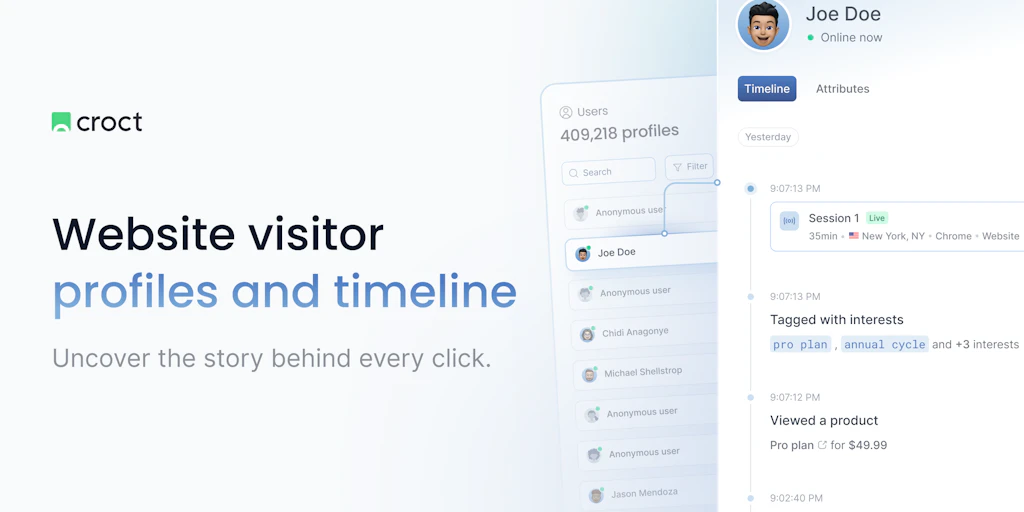
Personalize every visitor's journey and run experiments to boost conversions.
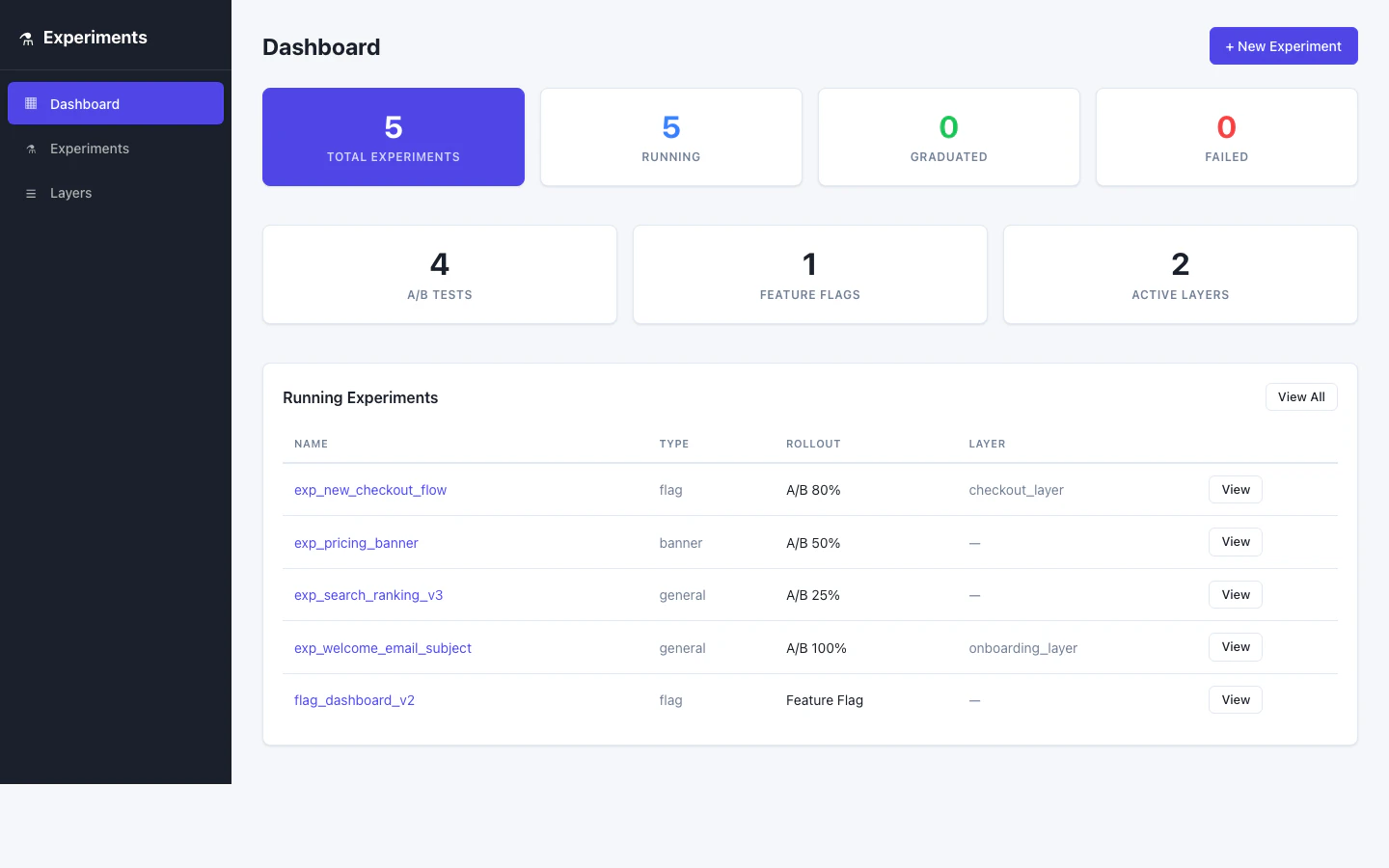
Self-hosted A/B testing & feature flags for Node.js without vendor lock-in

AI-powered session replay that turns user friction into automated code fixes

Measure what ships. Ship what matters.

Query your website analytics directly from ChatGPT - no dashboards, pure visitor evidence.
Scan your website and optimize conversions in seconds
AI tool for unbiased landing page conversion feedback and optimization.

Validate your startup idea in 5 minutes, not months

Heatmaps + A/B tests powered by Claude AI - no code required

All-in-one research platform with built-in AI and zero bolted-on tools

Understand user behavior and fix what matters most with AI-powered insights.

Turn visitor behaviour into better websites with heatmaps and session replay.

AI that watches sessions to catch bugs and surface insights automatically

See exactly why visitors don't buy - then fix it
Collect NPS, CSAT, and CES feedback across every customer touchpoint

Turn static forms into AI conversations that actually understand.
AI-powered visual workspace for understanding, searching, and organizing photos and videos

Open-source, cookie-free analytics with unlimited projects and native AI agent support.

Modern Google Analytics replacement - privacy-first, real-time, GDPR compliant

Privacy-first Google Analytics alternative, cookie-free and GDPR-compliant.

Privacy-first analytics with error tracking and session replays - no cookies, GDPR-compliant

Web analytics + A/B testing to find and fix revenue leaks

The most advanced analytics platform - resolve every visitor and track every dollar.

Simple, real-time analytics without the Google Analytics complexity
Beautiful automated monthly reports that clients actually read
Ask questions about your data and get AI-generated reports in Power BI
Most businesses do not lack data, they lack answers. Traffic numbers pile up while the questions that matter, why visitors leave, what makes them buy, which change actually helped, stay unanswered. Analytics tools are the difference between having numbers and understanding them. The right one turns a wall of metrics into a decision you can defend.
Counting visits versus watching behavior
The category starts with two lenses. Web analytics tools count who arrives and where from, the classic traffic view. Product analytics tools go inside the app to track what people actually do once there: which features they use, where funnels leak, whether they come back. Marketing questions and product questions need different tools.
Seeing the why, not just the what
Numbers tell you what happened but rarely why. Heatmap and session tools record where people click, scroll, and rage-quit, exposing the ignored button or the confusing form that a chart cannot. Conversion rate optimization tools then let you test a fix, and business intelligence platforms pull every source into one dashboard.
Measuring in a privacy-first world
Tracking got harder on purpose. Browser restrictions and privacy rules broke a lot of the old attribution, which is why attribution tools and server-side tracking now matter, and why cookieless analytics has grown. The goal has not changed: tie outcomes back to causes accurately enough to act. Feed those insights back into your SEO and paid ads work, where the decisions actually spend money.