
NextStair
Ad
ElevenLabs: AI Voice Generator | Sign Up Now FREE
Try Now

Best Personal Finance 2026

Find personal finance apps and tools for budgeting, expense tracking, net worth monitoring, debt payoff planning, and financial goal setting. Managing money systematically is a foundational personal finance skill. Compare automatic transaction import, budget methodology (zero-based, envelope, percentage-based), investment account tracking, bill reminders, and privacy practices for bank connection data.

23 tools
Showing 1–23 of 23 tools
GiGi Money - Daily Spending Limit with AI Coaches

Personal finance, finally personal - with three AI coaches

Klynd.Trade - AI Journal for Prop Trading Performance

Learn, protect, and master trading with AI-powered apps for every stage of your career.

Cashflow - Receipt Scanning Expense Categorization

AI-powered receipt scanning makes budgeting effortless

Treat - AI Coach for Discretionary Spending

Spend your fun money guilt-free with AI guidance

FinanceFamille - Budget Family Intelligent

Intelligent family budget management, made simple
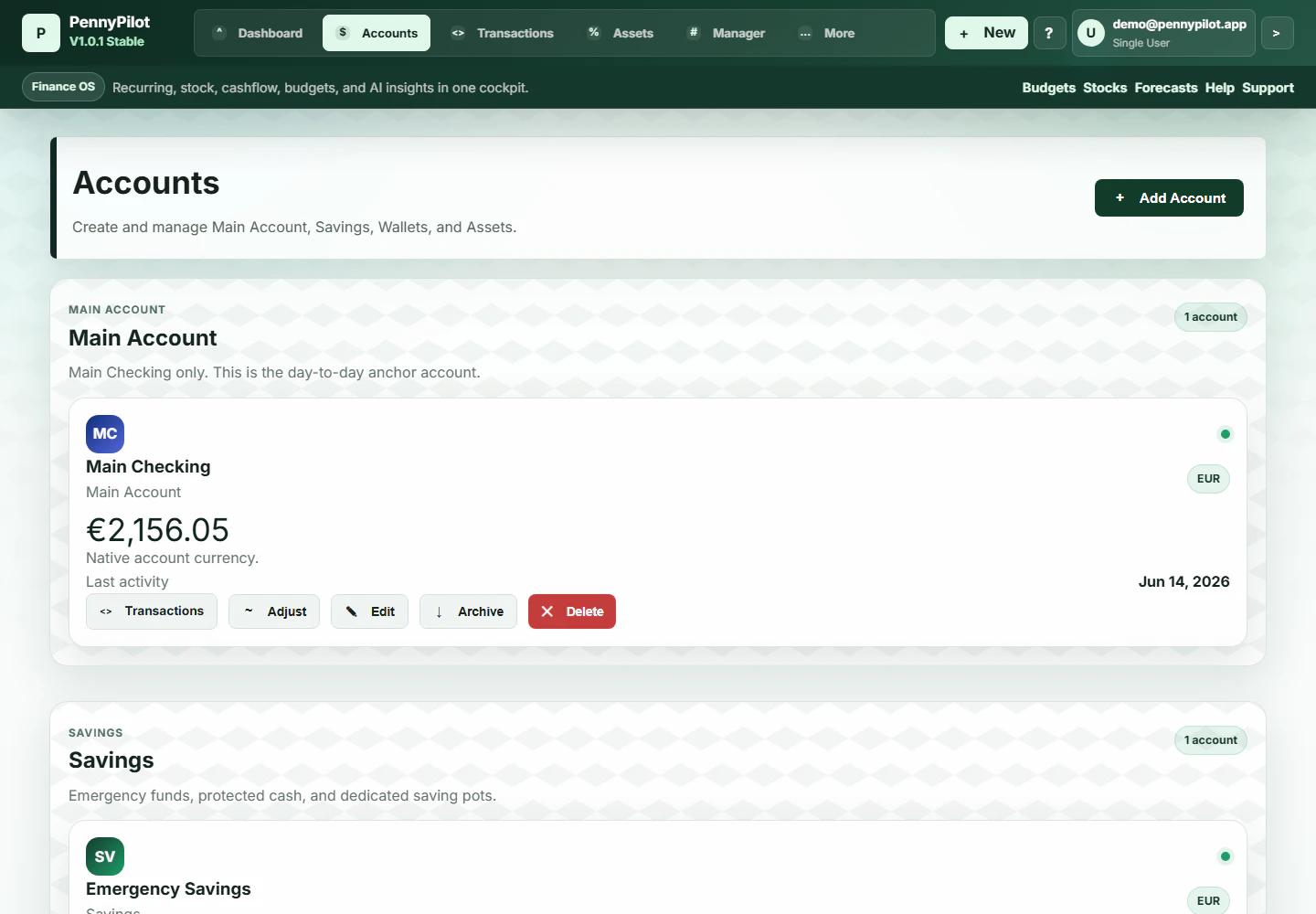
PennyPilot - Multi-Currency Dashboard for Cash Flow

Your personal finance cockpit - track, plan, and understand your money clearly.

Wealthier - Measure Wealth by Purchases Refused

Track wealth by counting what you didn't spend

Finy - Subscriptions, Banking, and Budgets Combined

Secure banking, smart budgets, and subscription tracking in one elegant app
Nido: Personal Finance & Expenses

Track, budget, and master your finances with AI-powered insights
tradeanalyzer.io - Gold Trading Signals

Live gold trading signals with 60% win rate - honest results, no hype

Axio Money: Expense Tracker Offline

Track every expense offline, privately, with on-device AI.

Home Pay Estimator - Illinois Take-Home Pay Calculator

Instantly estimate your Illinois take-home pay with 2026 tax rates

Sponsored
DA
Descript: AI Video Editor
ExpenseSumo - Manual Expense Tracking Without Bank Login

Track your money privately, without bank login or bloat.

Cifrino - Unified View of Family Finances

Financial control without the boring routine

Demi - Financial Planning Synced to Your Cycle

Financial planning that moves with your cycle, not against it

WiseFlow - Daily Spending Limit Based on Income

Your AI financial companion that actually explains your money

PennyRa - Budget & Expense Tracker

Multi-currency expense tracker for expats - 5× cheaper than YNAB
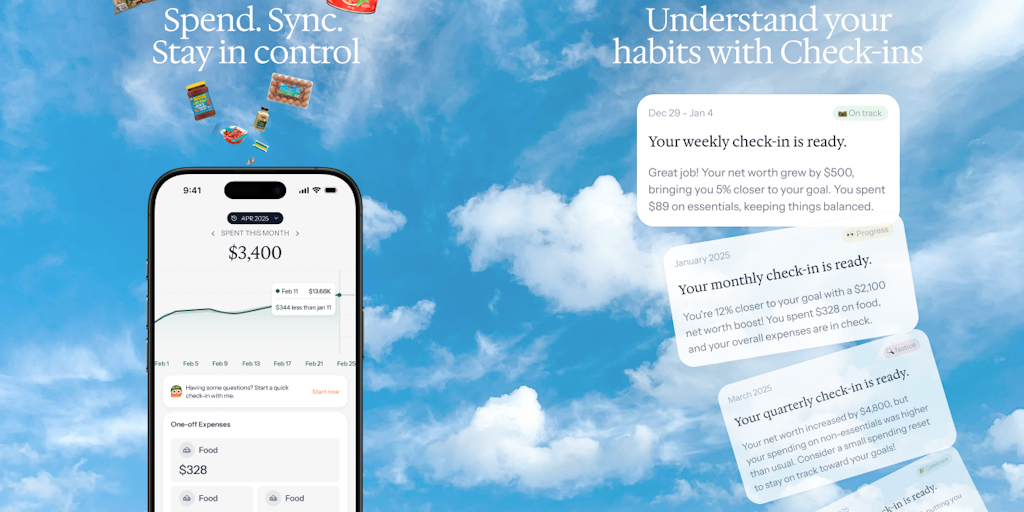
Peek - Spending Stories Instead of Spreadsheets

See yourself clearly through your spending, not just spreadsheets
ExpensePal - AI Receipt Scanning and Loan Tracking

AI-powered expense tracker that makes managing money simple and insightful

Postpwn - Pause Subscriptions Before Auto-Renew

Pause subscriptions before they auto-renew - intentional spending, not cancellation
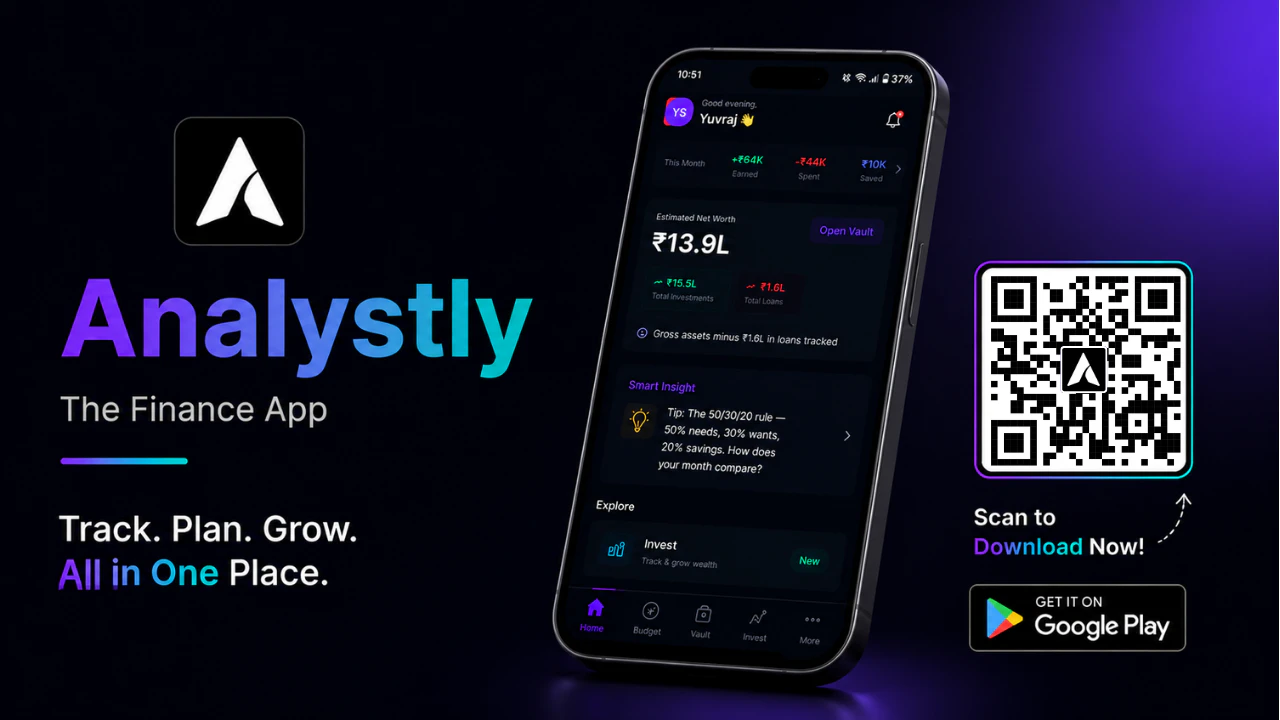
Analystly.io - All-In-One Finance, Fully Offline

One app for budgeting, documents, investments, and financial planning - offline and private.

Finology Software - Student Loan Repayment Strategy Modeling

Student-loan planning platform for financial advisors - model, track, and optimize in minutes.

Sponsored
P
Printify
PurseLink - Money Gifts in Greeting Cards

Send money as a link - the gift that's personal and instant

Personal finance tools help you see where your money goes, budget, track spending, monitor accounts, and work toward goals like paying off debt or saving. By pulling your accounts into one view, they replace the vague sense that money is disappearing with a clear picture you can actually act on.

What personal finance apps do

These apps connect to your bank and card accounts, categorize transactions automatically, and show spending by category over time. Budgeting features set limits and alert you when you approach them, while goal tracking and net-worth views help you see progress. Some add bill reminders and subscription tracking to catch money leaking out unnoticed.

Personal finance in the bigger picture

Budgeting connects to tax tools at year-end and to finance calculators for planning decisions like loans and savings. For those who invest, it complements trading tools by keeping day-to-day finances in order.

Frequently Asked Questions

What is the best personal finance app?
YNAB (You Need A Budget) is the most effective budgeting app for people serious about changing spending behavior - zero-based budgeting methodology with strong educational resources. Mint (discontinued 2023) users have migrated to Credit Karma or Copilot. Personal Capital (now Empower) is best for investment and net worth tracking. Monarch Money combines budgeting and investment tracking. Every Dollar is the Dave Ramsey budgeting app with debt snowball methodology.
What is a zero-based budget?
Zero-based budgeting assigns every dollar of income a purpose - income minus all budget categories equals zero. This does not mean spending everything - savings, debt payoff, and investments are budget categories too. The discipline of allocating all income intentionally prevents mindless overspending. YNAB popularized this methodology digitally. It requires more active management than percentage-based budgeting but produces stronger behavior change results.
How do I improve my credit score?
The most impactful factors: payment history (pay all bills on time, every month - set automatic payments), credit utilization (keep balances below 30% of credit limits, ideally below 10%), and credit history length (keep oldest accounts open). Negative factors: hard inquiries (applying for credit), maxed-out cards, and collections. Credit score improvement takes months of consistent positive behavior - there are no shortcuts despite what credit repair companies claim.
How do budgeting apps categorize spending automatically?
They connect to your bank and card accounts through secure data links, import your transactions, and assign each one a category, groceries, dining, transport, using the merchant name, transaction type, and patterns learned from many users. Most let you correct miscategorized transactions and create rules so similar ones are labeled correctly in future. Over time the categorization becomes more accurate as you refine it. This automation is what makes budgeting sustainable, since manually logging every purchase is what causes most people to abandon budgets. Reviewing and adjusting categories occasionally keeps the picture accurate and the insights useful.
Is it safe to link bank accounts to a finance app?
Reputable finance apps use bank-grade encryption and connect through secure, read-only data services that access your transaction data without exposing your login to the app itself, and they generally cannot move money. The main risks are choosing an untrustworthy app or a broad data breach, so it pays to use well-known, established apps, check their security and privacy practices, and use strong, unique credentials with two-factor authentication. Read-only connections mean an app can see your transactions but not spend your money. For most people, linking accounts to a reputable budgeting app is reasonably safe, but stick to established providers and understand what data you are sharing.
What budgeting method works best?
The best method is the one you will actually stick with, and different approaches suit different people. Popular frameworks include the 50/30/20 rule (splitting income between needs, wants, and savings), zero-based budgeting (assigning every dollar a job), and the envelope method (allocating fixed amounts to spending categories). Simple category tracking without strict rules works for many. What matters more than the specific method is consistency, honest tracking, and adjusting as you learn where your money really goes. Start with a simple approach, use an app to automate the tracking, and refine over time rather than chasing a perfect system you cannot maintain.