
NextStair
Ad
ElevenLabs: AI Voice Generator | Sign Up Now FREE
Try Now

Best Finance & Fintech Tools Tools 2026

Explore the best finance and fintech tools for personal finance management, investing, banking, payments, and financial analysis. From budgeting apps and robo-advisors to crypto wallets, payment processors, and business banking platforms - this category covers the financial technology tools that individuals and businesses use to manage, grow, and move money in the digital era. Compare features, fees, and regulatory standing.

115 tools
Showing 101–115 of 115 tools
MetalTakip - Turkish Precious Metals Market Data

Turkey's premium precious metals market intelligence and data platform

Smart Stock Agent - Real-Time NYSE and Nasdaq Analysis

AI-powered US stock analysis with trade strategies and portfolio tracking

Meet Kai - the AI Trading Wizard

AI that reads charts and trades them for you, 24/7

Bitacorale - Auto-Import Trades from Your Broker

Trading journal that shows where you actually make or lose money

Alpaca - Algorithmic Trading APIs for Developers

Developer-first APIs for stock, options, and crypto trading

Fere AI - Execute Multi-Chain Trading Strategies Autonomously

AI agent with a live wallet - trade strategies 24/7 via chat or MCP

OpenVC - Connect Startups with Venture Capital

Share your pitch deck, track investor engagement, and raise capital smarter.

Splitman - Split Expenses, Keep Friendships

Split expenses, keep friendships - no spreadsheets required

Kintsugi - AI Sales Tax Automation, No Manual Work

AI sales tax automation that monitors, collects, files, and optimizes - no manual work required

UnitPay - Monetization Infrastructure for AI Companies

Monetization infrastructure designed for AI companies' variable costs.

Anrok - Automated Global Sales Tax & VAT

Global sales tax and VAT compliance, fully automated

GST Bill Maker - Free GST Invoices Instantly

Create GST invoices & billing docs instantly, 100% free
Sponsored
DA
Descript: AI Video Editor
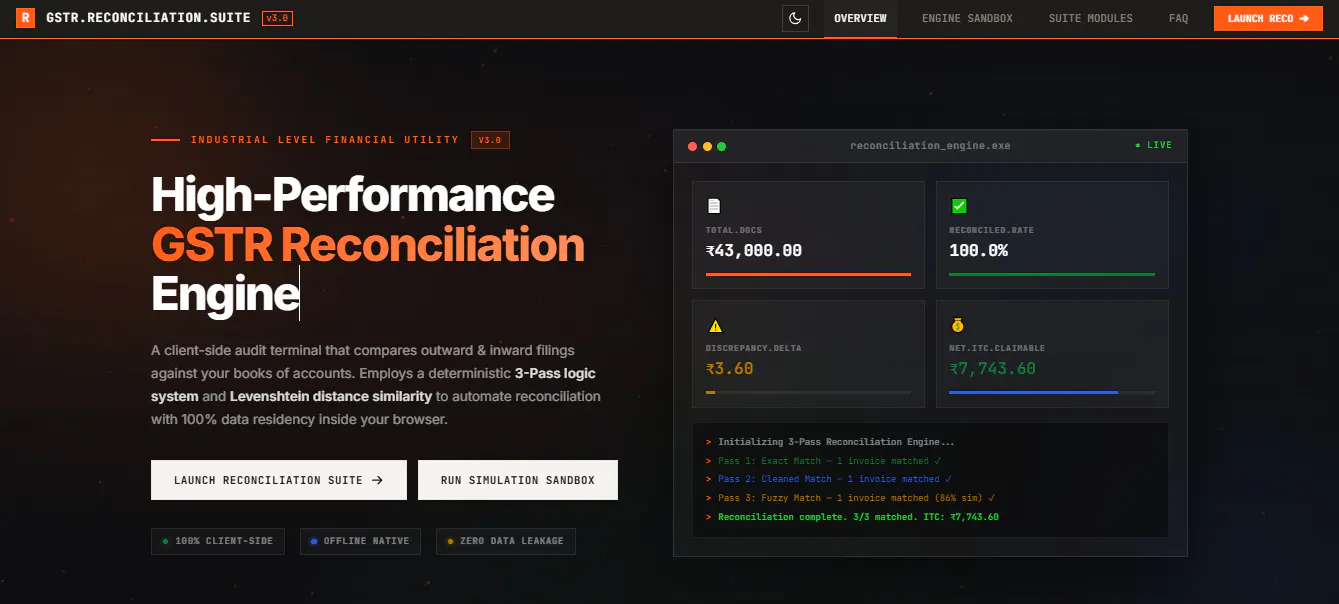
GSTR Reco - Client-Side GST Reconciliation, 99.8% Accurate

100% client-side GST reconciliation with 99.8% accuracy - offline and secure.
OnlyBills - Free GST Invoices, No Signup

Free GST invoices, no signup, 100% local privacy

Numeral - Automate Sales Tax in 80+ Countries

Automate sales tax and VAT compliance across 80+ countries

Money used to move at the speed of a bank branch. Fintech tools rebuilt that experience around software, so budgeting, investing, paying, and getting paid now happen from a phone in seconds. The upside is control and convenience most people never had. The catch, and it is worth taking seriously, is that these tools handle real money and are only as trustworthy as their security and their licensing.

Managing your own money

For individuals, the daily tools are about awareness and growth. Personal finance apps track spending and budgets so money stops disappearing unexplained, and stock and crypto trading platforms open investing to anyone, though the ease of access makes discipline more important, not less.

Moving money and staying compliant

For businesses, the priorities shift to flow and rules. Payment gateways collect money from customers reliably and securely, tax tools keep you compliant without a spreadsheet nightmare, and utilities like the currency converter and crypto tools handle the everyday conversions.

Check the license before you trust it

A fintech tool holds or moves your money, so its regulatory standing is not a detail. Confirm that a platform is properly licensed for what it does in your country, look for encryption and clear data handling, and be wary of anything promising returns that sound too good. For business bookkeeping, pair these with finance and accounting software, and for quick math, the finance calculators.

Frequently Asked Questions

What is the best personal finance app?
YNAB (You Need A Budget) is the most effective for active budgeters who want zero-based budgeting. Mint (now discontinued, replaced by Credit Karma) and Copilot are popular for passive tracking. Personal Capital (Empower) is strong for investment tracking and net worth monitoring alongside budgeting. The best tool depends on how actively you want to manage your finances.
What is a robo-advisor and is it worth using?
A robo-advisor is an automated investment platform that builds and rebalances a diversified portfolio based on your risk tolerance, for a low annual fee (typically 0.25%). Betterment, Wealthfront, and Schwab Intelligent Portfolios are the leading options. For long-term passive investing, robo-advisors outperform most actively managed funds after fees.
What payment processing platform should I use for my business?
Stripe is the most developer-friendly payment processor with strong international capabilities and a comprehensive API. Square suits in-person retail and food service. PayPal Business is trusted by consumers globally. Lemon Squeezy and Paddle handle sales tax and compliance automatically - ideal for SaaS and digital product sellers.
What are the regulatory risks of fintech tools?
Key regulatory risks include data privacy (PCI DSS for payment data, GDPR in Europe), money transmission licensing requirements for platforms that hold funds, and investment regulations for tools offering financial advice. Always verify that a fintech tool is properly licensed for the services it provides in your jurisdiction before relying on it for business operations.
Are budgeting and investing apps safe to link to my bank?
Reputable ones are, and they connect through secure aggregators that use read-only access and bank-grade encryption rather than storing your login. The risk is less the technology and more choosing an unknown app, so favor established providers with clear security and privacy policies. Use strong, unique credentials and multi-factor authentication, and review which apps have access to your accounts periodically, revoking any you no longer use.
Should I use a robo-advisor or invest myself?
A robo-advisor builds and rebalances a diversified portfolio automatically for a low fee, which suits most people who want long-term, hands-off investing and would otherwise make emotional decisions. Investing yourself gives more control and saves the fee but demands time, knowledge, and discipline. For the majority pursuing steady long-term growth, a low-cost robo-advisor or index approach outperforms active self-trading after fees, which is where most beginners lose out.