

Best Cybersecurity Tools Tools 2026
Explore the best cybersecurity tools for network security, vulnerability scanning, penetration testing, endpoint protection, SIEM, and security monitoring. From enterprise-grade security platforms to developer-focused security testing and open-source tools - this category covers solutions for security professionals, IT teams, and businesses working to protect their systems, data, and users. Compare tools by use case, deployment model, and compliance coverage.

.svg)
High-performance residential and datacenter proxies for web scraping and automation

Award-winning antivirus with ransomware protection & PC optimization

Redesign any space from one photo in seconds, then walk through it.

Zero-trust mesh networking, 10-20x faster than VPNs

Anonymous VPN with zero logs, no email required, crypto-only payments.

All-in-one cybersecurity that catches what others miss

Secure your passwords and plan your digital inheritance in one place

Open-source auth platform with passkeys, privacy-first, and zero vendor lock-in

One vault. Zero forgotten passwords. Plus your digital ID card.

Open-source password manager securing humans, AI agents, and machines

Secure credentials for humans, machines, and AI agents.
Open-source password manager. Pay once, host anywhere.

Open-source password manager that keeps all your data encrypted locally, only readable by you.

Zero-knowledge password vault where only you hold the keys

100% offline password manager - your vault, your device, your control

Zero-knowledge password manager with AES-256-GCM encryption

100M+ residential IPs for ethical data scraping and AI training

French AI gateway protecting your data and ensuring AI Act compliance

Find and compare the best proxy providers for your needs

Fast, anonymous private proxies from $8.80/month with 99.9% uptime

Process-level proxy control with zero-config drag-and-drop simplicity

Dedicated 5G mobile proxies with real phones and complete control.

Fast proxy servers for scraping, automation & data collection at scale

Coherent proxy + matching fingerprint. One click. Never flagged.
Global IP proxy provider for various online tasks.
80M+ residential proxies for secure, anonymous global web access
Fast residential proxies for market research, ad verification & data collection
86M+ residential IPs with 99.9% uptime for web scraping and AI data collection
Global residential proxy service for web data extraction and AI.
Powerful proxy network for web scraping, AI, and data collection.
80M+ residential proxies across 195 countries for scale

Scan any website for security vulnerabilities in seconds

Uncover hidden compliance risks in your website in under 3 minutes
Autonomous pentesting that delivers verified fixes in minutes

AI-powered pentesting that finds real vulnerabilities in minutes, not weeks
Kubernetes security scanner with capability break analysis and PoC commands

AI agents that pen test your code 24/7 and fix exploits automatically

Continuous pentests across apps, APIs & cloud in one unified platform
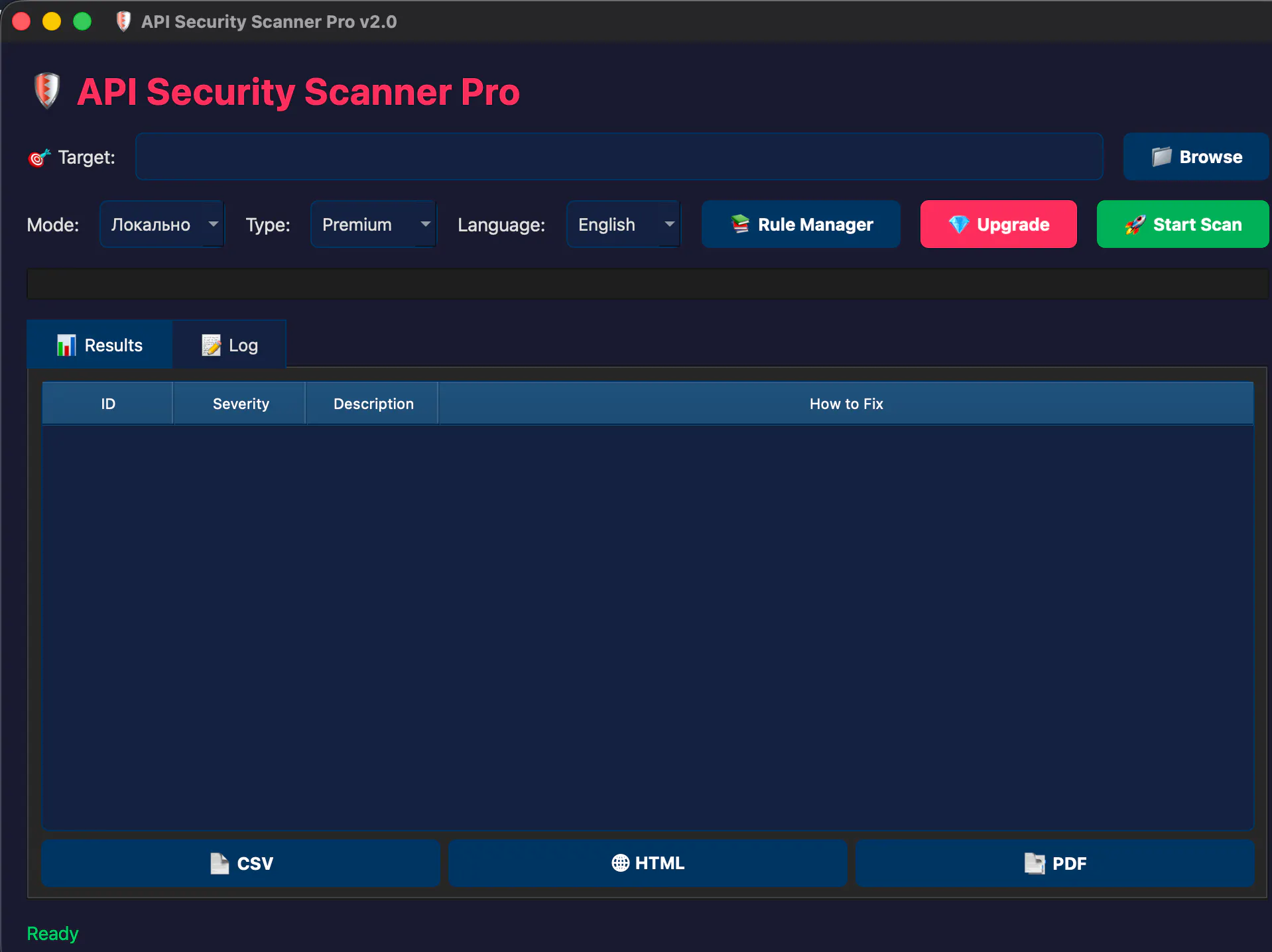
Automated API vulnerability detection with crypto-based licensing

Scan your MCP config for security risks in 60 seconds

Complete web security audit in under 5 minutes, not 2-4 weeks
Free, open-source scanner that fixes exploited vulnerabilities first

Security scanning for AI-built websites, launch-ready in 3-8 minutes

AI-powered zero-dependency security scanner, all in one portable binary

Complete security HQ for code, cloud, and runtime - built for developers

AI agents that automatically hack your app to find vulnerabilities first

Live security scanning for AI-coded apps - find vulnerabilities before attackers do

One-tap VPN for secure online journeys

Privacy-first VPN that rewards you for sharing the network

Zero Trust connectivity platform replacing legacy VPN for the AI era
Security is the rare field where success looks like nothing happening. The reward for doing it well is an uneventful year, which is exactly why it gets underfunded until the breach that changes everyone's mind. The tools here are about tilting the odds before that day: closing the easy doors attackers walk through, and spotting the ones already inside before they do real damage.
The basics that stop most attacks
A large share of breaches trace back to a handful of preventable gaps. Password managers end reused and weak credentials, the single most common way accounts fall, and antivirus and malware tools catch the known threats before they run. Neither is glamorous, and both prevent more incidents than any advanced tool.
Finding holes and staying private
Beyond the basics, security scanners probe systems and applications for known vulnerabilities so you can fix them before an attacker finds them, while VPN services and proxy tools protect traffic and privacy on untrusted networks. Together they cover the outward-facing surface most attacks probe first.
Security is a habit, not a purchase
No tool makes you secure on its own. The organizations that avoid trouble treat security as an ongoing practice: patching promptly, enforcing multi-factor authentication, scanning regularly, and assuming a breach will be attempted rather than hoping it will not. Buy the tools, then actually use them consistently. For developers hardening an app, the development tools category covers scanners that fit into a build pipeline, and website tools cover uptime and SSL.