

Best AI Agents & Automation Tools 2026
Explore the best AI agent and automation tools for building autonomous workflows, multi-step AI pipelines, and intelligent process automation. From no-code automation platforms like n8n and Make to developer frameworks for multi-agent systems - this category covers tools that let AI handle complex tasks, make decisions, and complete goals without constant human input. Find the right agent and automation stack for your use case and technical level.

.svg)

Custom AI agents that automate customer interactions 24/7

Your AI Quant – Convert trading ideas into automated systems

Custom AI systems built inside your CRE workflows
Build production-ready automations in minutes, not quarters.
Data expert in your pocket - run complex analytics without coding

One platform for forms, workflows, agents, data, and email
The best way to work with AI - all your tools in one place
AI Discord bot that automates support, moderation & growth - so you can focus on community.

AI agents that automate complex claims operations and slash manual work

Your content team on auto-pilot - research, write, and publish SEO content in minutes
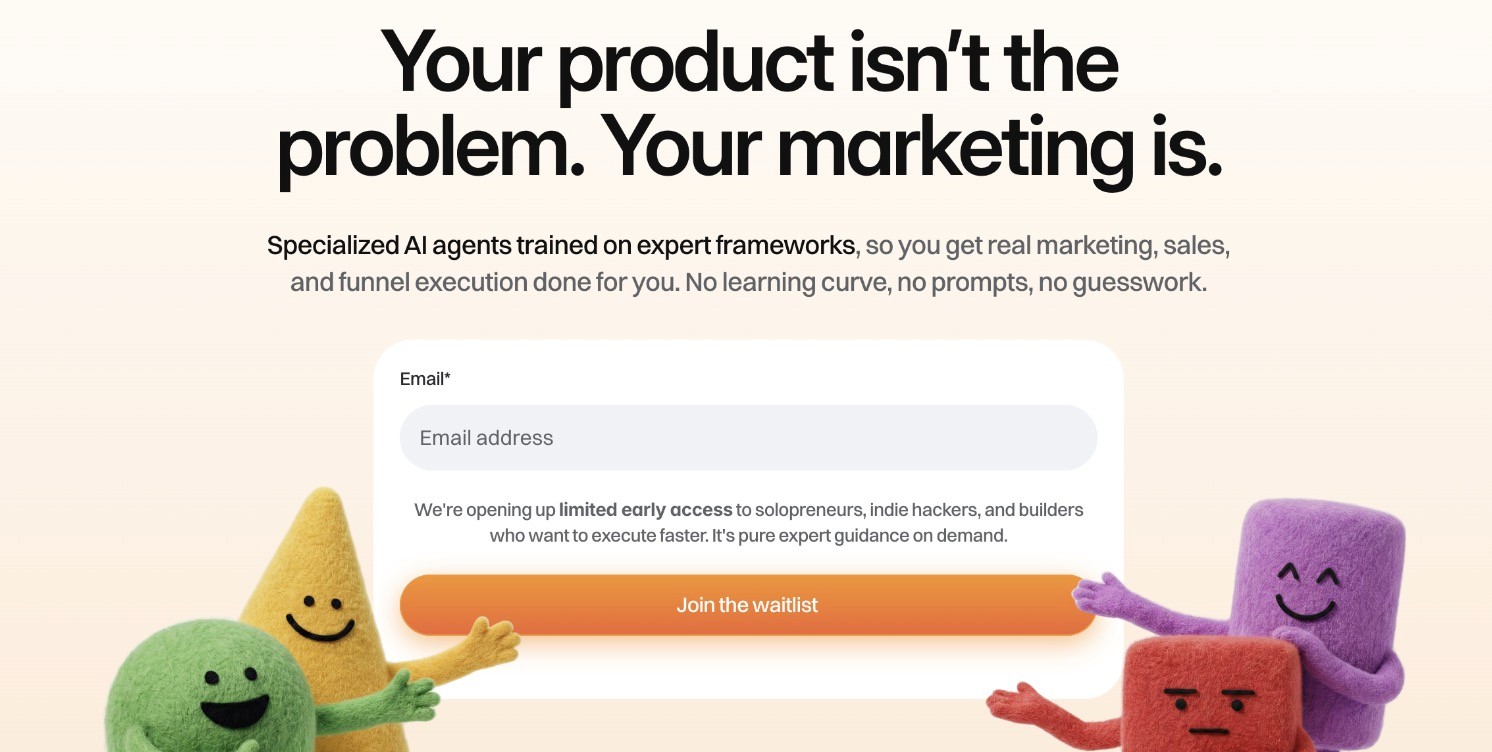
Framework-trained AI agents that execute real marketing & sales - no prompts needed.
Record once. Automate forever. No APIs needed.

The operational layer that makes data your team trusts

AI office suite that thinks, acts, and asks before changing your work.
Privacy-first AI Agent for digital business cards and intelligent contact management.

The world's first AI superintelligence OS for autonomous workforce automation

Free AI browser automation - no migration, just install and automate.

AI poker assistant with automated play and real-time GTO advice for 888poker

Enterprise AI agents that turn GTM signals into pipeline and revenue
All AI models & 200+ tools in one place - build workflows without coding

Automate multi-account social media workflows with isolated AI browsers and cloud phones
AI agents that automate operations, not just chat
AI employee that handles follow-through so you don't have to

Deliver custom apps and agents 10x faster with AI-powered operations
Enterprise-grade AI agents built on NVIDIA's open-source platform

AI-powered mobile automation for any app, any workflow

Deploy your AI bot in 60 seconds. No servers, no DevOps, no hassle.

Deploy AI bots to Telegram, Discord & WhatsApp in 5 minutes - no servers needed

Desktop AI that talks AND acts - no setup required.
Automated PA announcements with perfect international name pronunciation
There is a real difference between a tool that answers and a tool that acts. A chatbot tells you how to book the meeting; an agent books it. That shift, from responding to doing, is what this category is about. An agent reads a goal, plans the steps, uses tools like search and code and APIs, and adapts when a step fails, all without a person driving each move.
Agents versus fixed automation
Older automation follows a script you wrote in advance. If reality does not match the script, it breaks. AI agents reason about the goal instead of following a fixed path, which lets them handle messy, unpredictable work. For steps that really are the same every time, a straightforward workflow automation is cheaper and more reliable than an agent, and the skill is knowing which one a task needs.
Agents built for one job
The most dependable agents are narrow. A coding agent works a repository, a research agent gathers and synthesizes sources, a sales agent enriches leads and drafts outreach, and a support agent triages tickets. A tightly scoped agent beats a general one at almost any specific task.
Trust, but verify the actions
Autonomy cuts both ways. An agent that can act can also act wrongly, so the sensible pattern is to keep a person approving anything irreversible: sending money, deleting data, emailing a customer. Give agents the repetitive, low-stakes middle of a process and hold back the decisions that are hard to undo. For the assist-not-act version of these jobs, see the broader AI productivity category.