NextStair
Ad
ElevenLabs: AI Voice Generator | Sign Up Now FREE
Try Now

Best AI Voice Cloning 2026

Discover AI voice cloning tools that create synthetic replicas of specific voices from short audio samples. Used for personalized content, consistent narration, audio preservation, and accessibility, these tools generate speech in the target voice from any text input. Compare clone quality, minimum audio required, languages supported, turnaround time, and commercial licensing terms.

6 tools
Showing 1–6 of 6 tools
Vozo AI - Lip-Sync Videos Across 160 Languages

Translate, dub, and lip-sync videos in 160+ languages 30x faster

ElevenLabs - Natural Voices in 32 Languages

The most realistic AI voices and voice cloning for any content or app

Local Parrot - Offline Voice-to-Text, No Internet Required

Private voice-to-text that never leaves your device
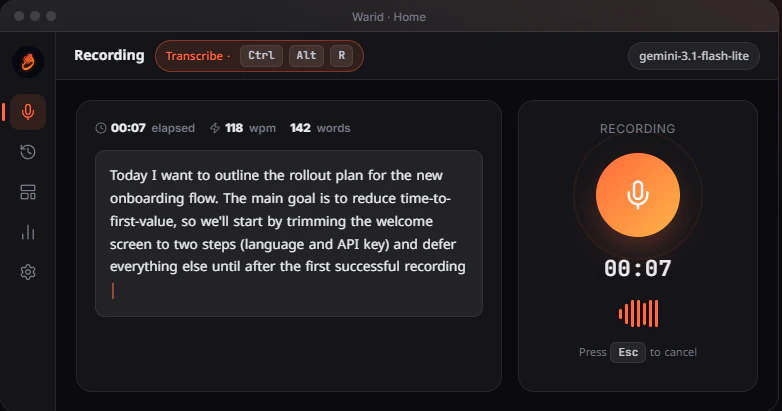
Warid - Arabic-English Voice to Text Offline

Press Ctrl+Alt+R, speak, get clean text instantly - no signup needed.

Vaani - Dubbing That Preserves Your Voice

Your voice, in every language. Preserve your essence, reach billions.

AI Voice Cloning - From Three Seconds of Audio

Clone any voice in 3 seconds with AI-powered precision

Voice cloning creates a synthetic copy of one specific person's voice from a sample of their speech, so the clone can then say anything you type. It is a remarkable capability with a built-in ethical requirement: because it copies a real individual, consent is not optional, it is the line between a legitimate tool and a means of impersonation.

Real uses, clear rules

The legitimate cases are compelling: creators scaling their own narration, dubbing that preserves a speaker's voice across languages, and accessibility for people losing their speech. Every one of them involves cloning a voice with permission. Cloning someone else's voice without clear consent is where the tool turns into a weapon for fraud and deception.

Related and downstream

Voice cloning powers realistic dubbing and complements text-to-speech. Because it enables voice deepfakes, it connects to the content detectors working to identify synthetic audio.

Frequently Asked Questions

How much audio do I need to clone a voice?
Top platforms require as little as 1 to 3 minutes of clean audio for a basic clone. For high-quality, expressive clones, 10 to 30 minutes of varied emotional speech produces better results. Audio quality matters - recording in a quiet environment with a good microphone significantly improves clone fidelity.
Is voice cloning legal?
Cloning your own voice is legal in all jurisdictions. Cloning another person's voice requires their explicit consent in most legal frameworks and many platform terms of service. Using a voice clone for fraud, non-consensual intimate content, or impersonation is illegal. Most reputable platforms require consent verification.
What are the legitimate uses for voice cloning?
Legitimate uses include content creators maintaining consistent narration voice, preserving the voice of someone who has lost speech ability, dubbing content in the original speaker's voice, creating audio content when the original speaker is unavailable, and building consistent brand voice for corporate communications.
Is voice cloning legal?
Cloning your own voice, or someone else's with their explicit consent, is legal. Cloning a person's voice without permission to impersonate, defraud, or deceive is illegal or actionable in many places, and laws targeting voice deepfakes are expanding. Reputable platforms require consent verification before cloning for exactly this reason. The technology is legal; the deciding factor is whether the person whose voice is copied agreed to it. Keep proof of consent for any voice that is not your own.
How much audio does voice cloning need?
It varies by tool and quality target. Some produce a usable clone from under a minute of clear speech, while high-fidelity results generally benefit from several minutes of clean, varied recording. Audio quality matters as much as quantity: a clear, noise-free sample in a consistent voice produces a far better clone than a longer but noisy one. For your own voice, recording a few minutes of careful, clean speech gives the tool the best material.
Can voice cloning be misused for scams?
Yes, which is the central concern with the technology. Cloned voices have been used in scams impersonating relatives or executives to authorize payments, and the audio can be convincing. This is why consent, disclosure, and verification matter, and why individuals should be cautious about voice-based authorization of anything sensitive. Reputable tools build in consent checks, but the risk is real, so treat unexpected voice requests for money or access with skepticism regardless of how familiar they sound.
6 Best AI Voice Cloning Tools 2026 | NextStair