
NextStair
Ad
ElevenLabs: AI Voice Generator | Sign Up Now FREE
Try Now

Best Newsletter Tools 2026

Explore newsletter tools designed for independent creators, publishers, and businesses building direct subscriber relationships. These platforms combine writing and publishing tools with monetization features like paid subscriptions, tips, and sponsorship management. Compare newsletter-specific features (subscriber growth tools, paid tiers), deliverability, integration with reading platforms, and revenue-sharing terms.

6 tools
Showing 1–6 of 6 tools
MailShot - Infinite Canvas for Email Campaigns

Build newsletters like a designer, not like a marketer

VegaMailer - SMTP and API Delivery Control

Email infrastructure for modern teams that need to send responsibly
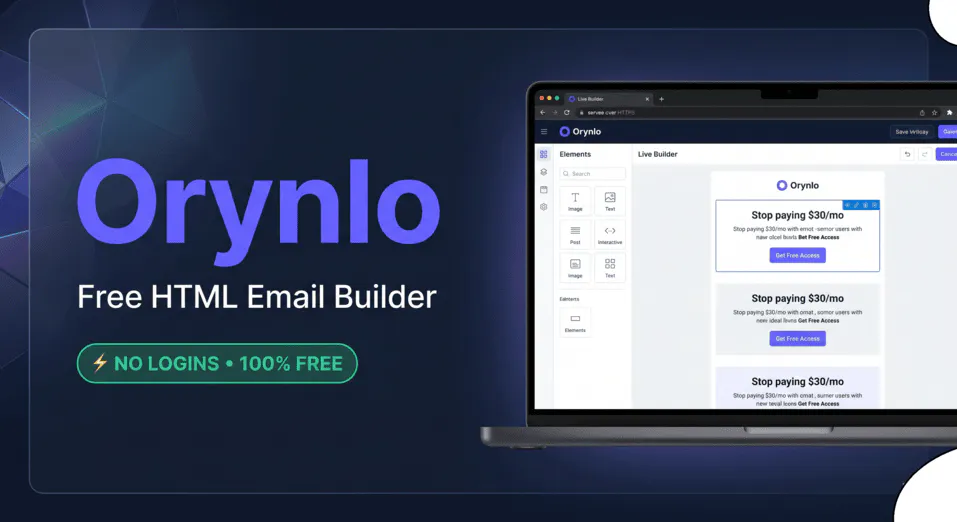
Orynlo Email Templates - Responsive HTML Emails, No Subscription

Build responsive HTML emails with inline CSS - no monthly fees required

Tubeletter - YouTube To Newsletter

Turn YouTube videos into newsletters your audience actually reads

EmailFlow.AI - Turn Emails into Revenue

Turn emails into revenue with AI-powered design and automations

Briefed - Personalized Newsletter Written by AI

Your personal AI newsletter, free forever

The newsletter has become a serious media format, and dedicated tools serve writers and publishers who build an audience around regular email content. Unlike broad marketing platforms, these focus on the writing, publishing, and often monetizing of newsletters, with clean writing experiences and subscriber growth built in.

What newsletter tools focus on

They prioritize a distraction-free writing and publishing experience, subscriber growth features, and often built-in monetization through paid subscriptions, which suits creators and independent publishers more than campaign-style marketers.

Newsletter tools versus marketing platforms

Newsletters are content, not campaigns, so these tools differ from broad email platforms. Pair with content marketing for strategy, and a CMS if you also publish on the web.

Frequently Asked Questions

What is the best platform for a paid newsletter?
Substack is the largest newsletter platform with built-in paid subscription infrastructure and discovery. Beehiiv is increasingly popular among growth-focused newsletters for its better analytics, referral programs, and lower revenue cut. Ghost offers more customization and ownership for newsletters that also maintain a blog. Convertkit (Kit) is popular for creators combining newsletters with digital products.
How do I grow a newsletter audience from zero?
Starting strategies: post newsletter excerpts on social with a subscribe CTA, participate actively in communities where your audience spends time and mention your newsletter contextually, guest post on other newsletters in your niche (newsletter swaps), create a lead magnet (free resource) for opt-in incentive, and build an SEO-optimized archive of past issues.
What is a good newsletter open rate?
Well-run newsletters typically achieve 40% to 60% open rates for engaged audiences, significantly outperforming mass-market email campaigns. New newsletters often see 50%+ initially before normalizing lower as the list grows. The most important metric is not open rate but revenue per subscriber - engagement that translates to paid subscriptions or product purchases.
What is the difference between a newsletter tool and an email marketing platform?
Newsletter tools focus on writing, publishing, and often monetizing regular content sent by email, prioritizing a clean writing experience, subscriber growth, and paid subscription features, which suits creators and independent publishers. Email marketing platforms focus on campaigns, automation, segmentation, and selling, oriented toward businesses marketing products. The line blurs, but if your goal is publishing content to build an audience, possibly with paid subscriptions, a newsletter tool fits better, while if your goal is marketing automation and promotions, an email platform suits. Choose based on whether you are publishing or marketing.
Can I make money from a newsletter?
Yes, and monetization is a core reason newsletter tools exist. Common models include paid subscriptions, where readers pay for premium content, sponsorships and ads once you have an audience, and using the newsletter to sell your own products or services. Many newsletter platforms build in paid subscription features directly. Meaningful income requires a genuinely valuable newsletter and a sufficient, engaged audience, which takes time to build. But the newsletter has become a legitimate media business model, and the tools make monetizing an engaged email audience straightforward once you have built one.
What is the best platform for starting a newsletter?
Popular choices include Substack, which is free and has a built-in audience and easy paid subscriptions, Beehiiv, which offers strong growth features, and Ghost for those wanting more ownership and control. The best fit depends on your priorities: Substack for simplicity and discovery, Beehiiv for growth tools, Ghost for independence and owning your platform. All handle the core writing and sending well. Consider whether you value ease and built-in audience or control and ownership, and whether monetization features and growth tools matter for your goals.