

Best CMS Platforms 2026
Find Content Management System (CMS) platforms for creating, organizing, and publishing digital content - from simple blogs to enterprise content operations. A CMS separates content from presentation, enabling non-technical editors to publish without developer involvement. Compare content modeling flexibility, editor experience quality, API capabilities (headless), plugin ecosystem, and hosting requirements.
.svg)


Professional blog platform to attract leads and drive sales through content marketing

Open source CMS that just works - edit effortlessly, build freely.
Build full websites with AI in minutes, no code required
Headless CMS for Next.js that lets developers focus on building, not blogging.

The agentic web platform for modern businesses - build, design, and rank in AI search.

AI agents that build, host, and grow your website from prompt to production.
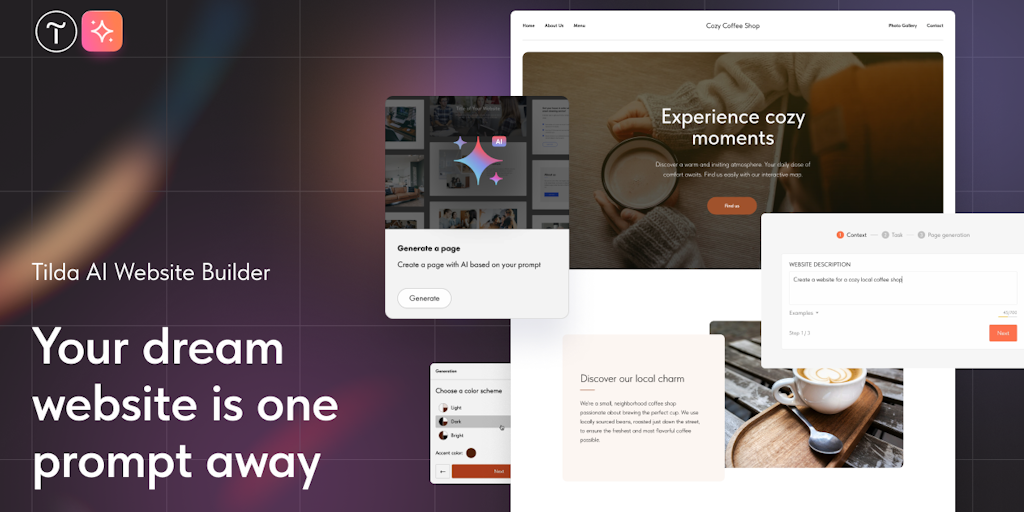
Create beautiful websites with AI - no code required

Professional restaurant websites with digital menus - no coding, launch in minutes

AI website builder for founders - launch in minutes, no code or design skills needed
A content management system lets you build and run a website, creating pages, publishing posts, and managing media, without hand-coding every change. CMS platforms power a huge share of the web because they put publishing in the hands of people who are not developers.
What a CMS platform provides
These platforms handle content creation and editing, templates and themes for design, media management, user roles, and publishing workflows. Some are all-in-one hosted services that manage everything for you, while others are self-hosted software you install and control, trading convenience for flexibility.
Choosing among CMS platforms
WordPress dominates through its ecosystem of plugins, while modern headless CMS options separate content from presentation for developers building custom front ends. For selling products, a CMS overlaps with e-commerce platforms.