

Best Headless CMS 2026
Browse headless CMS platforms that separate content management from content presentation - delivering structured content via API to any frontend or channel. Headless architectures power modern Jamstack sites, multi-channel experiences, and developer-controlled frontends. Compare content modeling flexibility, real-time preview capabilities, CDN delivery, image transformation APIs, and developer experience quality.
.svg)


Super simple headless CMS for blogs and content
GitHub's #1 Headless CMS with Visual Editor for Markdown

AI-powered headless CMS with Git-style branching and Notion-like editing
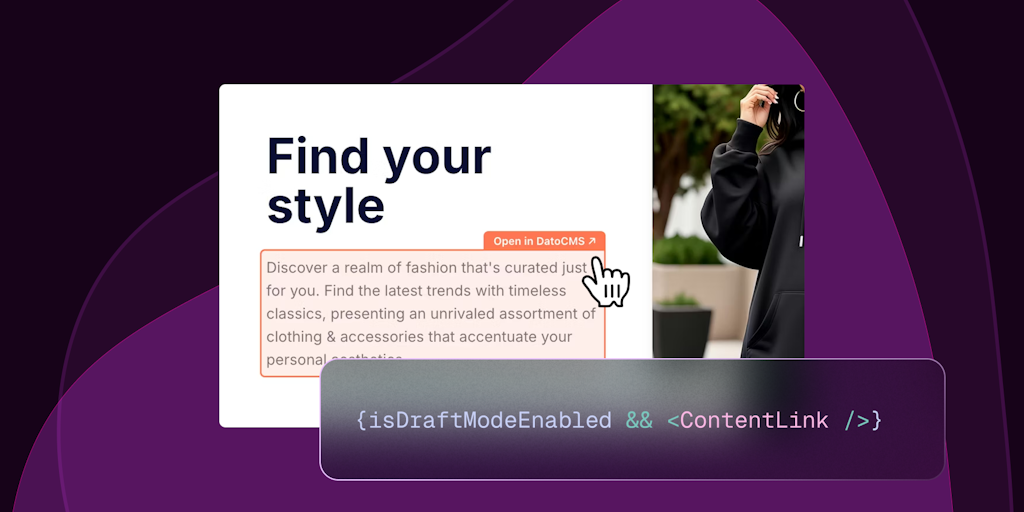
The friendliest headless CMS your team will actually love using
Build powerful websites in minutes with no coding required

Connect fragmented data. Build powerful AI agents. Drive enterprise impact.

The open-source Next.js backend to build anything - or everything.
A headless CMS manages your content but leaves the presentation to you, delivering everything through an API so developers can build the front end in any framework and push the same content to a website, app, and other channels at once. It separates what you say from how it looks.
How a headless CMS differs
A traditional CMS couples content and design in one system, while a headless CMS provides only the content back end and serves it via API. That decoupling gives developers freedom to use modern front-end frameworks and deliver content anywhere, at the cost of needing to build the presentation layer rather than getting it out of the box.
When headless makes sense
Headless suits teams building custom or multi-channel experiences, and contrasts with all-in-one CMS platforms like WordPress. It pairs with modern developer tools and appeals to developers who want full control over the front end.