
Best HR & Recruitment Tools 2026
Find the best HR and recruitment tools for applicant tracking, employee onboarding, performance management, payroll, and workforce planning. From lightweight ATS platforms used by fast-growing startups to comprehensive HRIS systems for mid-market companies - this category covers the full people operations stack. Compare tools that help you attract better candidates, onboard faster, and build the culture that retains them.
.svg)


AI interview coach invisible to screen share - answer any question using your real resume
Beat the ATS. Ace the interview with AI-powered career prep.
AI-powered interview training to land your dream job with confidence
Real-time AI talking points for interviews - stay invisible, stay confident.

Practice interviews with AI coaching and land your dream job confidently.
Practice interviews with AI and get instant personalized feedback

Practice live coding interviews with peers, for free
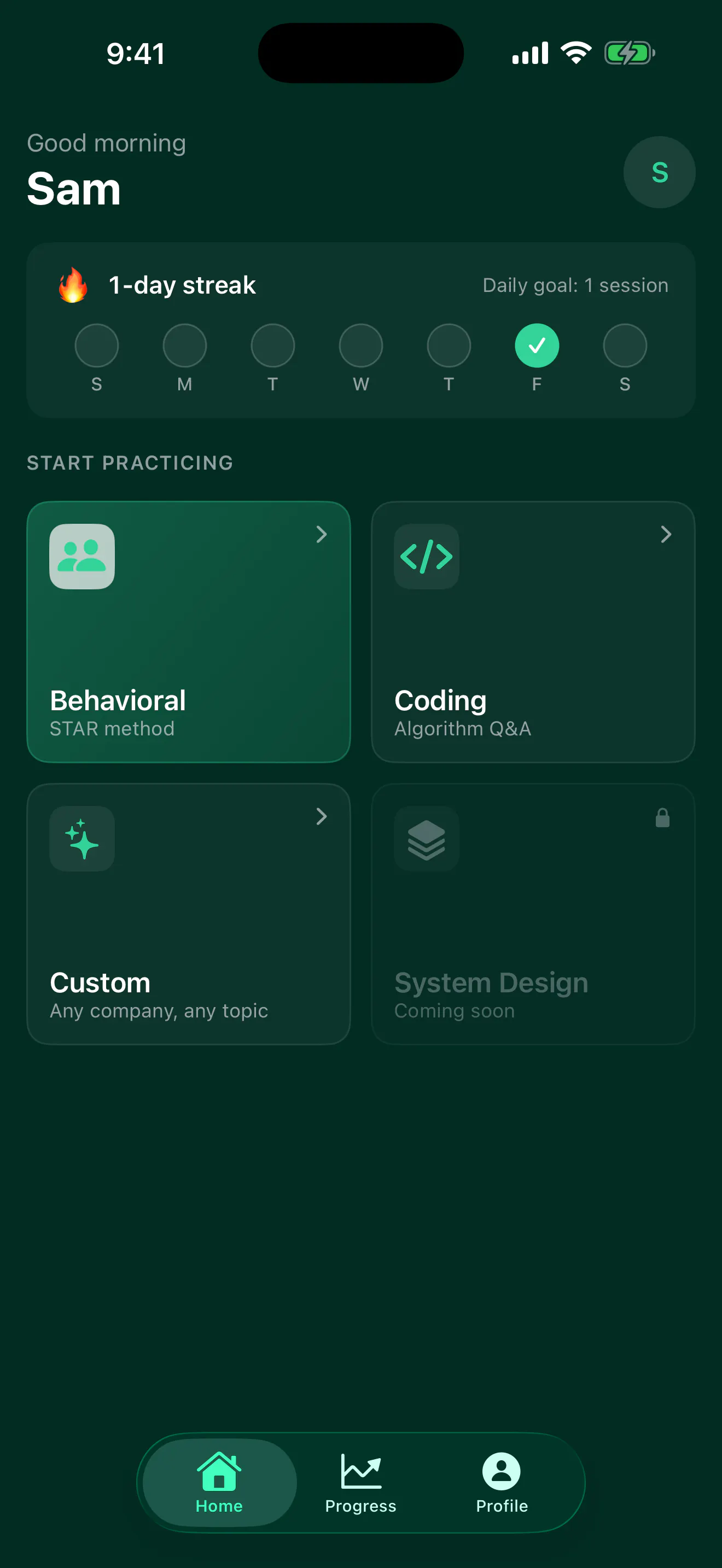
AI mock-interview coach that scores how you sound, not just what you say
AI interview answers in under 3 seconds - your unfair advantage
Practice job interviews with an AI recruiter and get a professional coaching report in 15 minutes.
Practice interviews with AI, get instant feedback, land your dream job
AI interview coach that finds your weak spots and fixes them fast
Know what's coming before the interview.
AI mock interviews with real company rubrics - practice until you pass.

Free AI mock interviews powered by your resume - no signup needed.

AI interview coach in your pocket - practice, optimize, and land the job
AI interview coach that detects questions and suggests answers in real-time

AI-powered hiring tool that shortlists candidates in seconds
AI hiring that delivers candidates ready to interview, not just profiles to sort
ChatGPT for recruiters with live pipeline data - no copy-paste required.

AI interviews every applicant, blocks fraud, shows you proof.

Streamline HR and payroll in one intuitive platform.

One API. 800M+ candidates. Zero vendor chaos.

AI resume screening and candidate matching in seconds
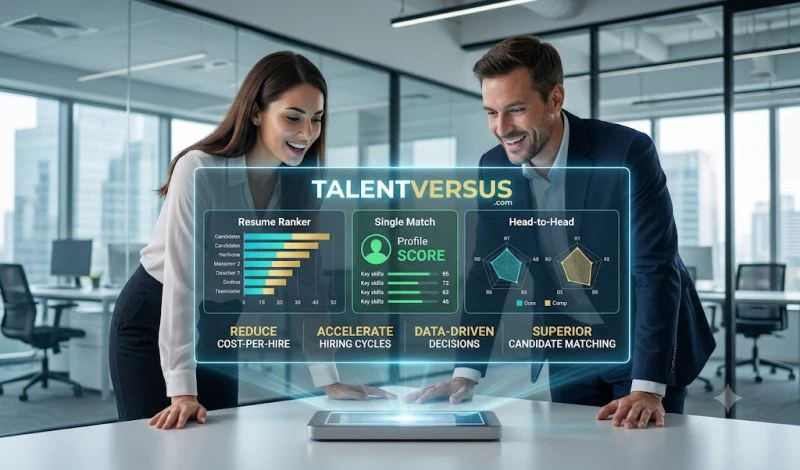
AI-powered resume screening that ranks your best candidates in seconds
Screen candidates in seconds with transparent AI scoring
AI interviews that screen every applicant - you shortlist only the best
AI recruitment assistant that goes beyond your ATS

The fast, simple, AI-powered ATS for modern hiring teams
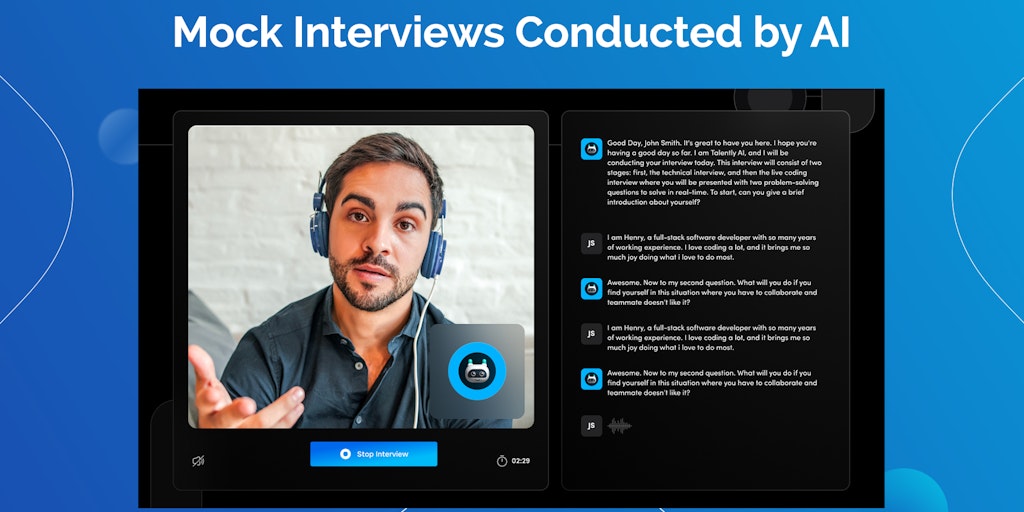
AI interviewer that conducts live conversations and scores candidates in real time
The ATS alternative: free first form, $9 per hire, no subscriptions.

AI copilot for HR decision-making - query CVs, not read them
Your AI career agent that finds dream jobs and intros you to decision makers

Let your resume talk - guided AI conversations grounded in real candidate data.

Screen 100 resumes in minutes, 100% offline on your Windows PC

Free AI ATS for tech hiring - screen, schedule, and hire smarter, no credit card needed
AI-powered recruitment platform connecting talent with opportunities
The #1 AI Recruiter - Screen & Hire Faster
AI screening that learns what great looks like at your company.
AI-powered recruiting that cuts through noise and finds real talent

Hire vetted AI and Web3 engineers in 24-48 hours, not months.
Find remote jobs that make a real difference in the world.

Find remote jobs and hire global talent with simple, transparent pricing.

Validate job postings against pay-transparency laws in seconds
Post AI jobs in 2 minutes, reach 10k+ specialists - $49, no subscription.

AI auto-apply agent that finds jobs and fills applications for you
Find qualified candidates 84% faster with AI-powered autonomous recruiting
AI-powered career paths personalized to your experience and ambitions

Create onboarding journeys and SOPs in minutes, not hours

Capture critical knowledge before your team walks out the door
People operations runs on a lot of moving parts that all have to happen on time: sorting applications, scheduling interviews, getting a new hire set up, running reviews, staying compliant. Miss a step and a candidate goes cold or a new employee's first week is a mess. HR tools take the administrative weight off that process so the human parts, judgment and relationships, get the attention they need.
Hiring the right people
Recruitment is where most HR software starts. Applicant tracking systems organize every application, automate candidate communication, and let a hiring team collaborate on decisions in one place, while job board software gets an opening in front of the right applicants. Together they turn a chaotic inbox into a manageable pipeline.
Keeping people once hired
The work does not stop at the offer. Onboarding tools give a new hire a structured, welcoming first few weeks instead of a pile of forms, and performance management tools support the regular feedback and goal-setting that keep good people growing rather than drifting toward the exit.
Tools support, managers decide
The uncomfortable truth is that retention is a management problem, not a software one. A performance tool cannot fix a bad manager or a culture people want to leave; it can only make the good practices easier to run consistently. Use these to remove the busywork, then put the saved time into the conversations that actually keep people. For candidate-side prep, see the AI interview coach, and for autonomous HR workflows, the AI HR agent.