NextStair
Ad
ElevenLabs: AI Voice Generator | Sign Up Now FREE
Try Now

Best Project Management Tools 2026

Find the best project management tools for task tracking, team coordination, sprint planning, and project reporting. From agile-first platforms like Jira and Linear to flexible work management tools like Notion and Asana - this category covers every project management methodology and team size. Compare features, integrations, and pricing to find the tool that fits your team's workflow and helps projects ship on time.

61 tools
Showing 51–61 of 61 tools
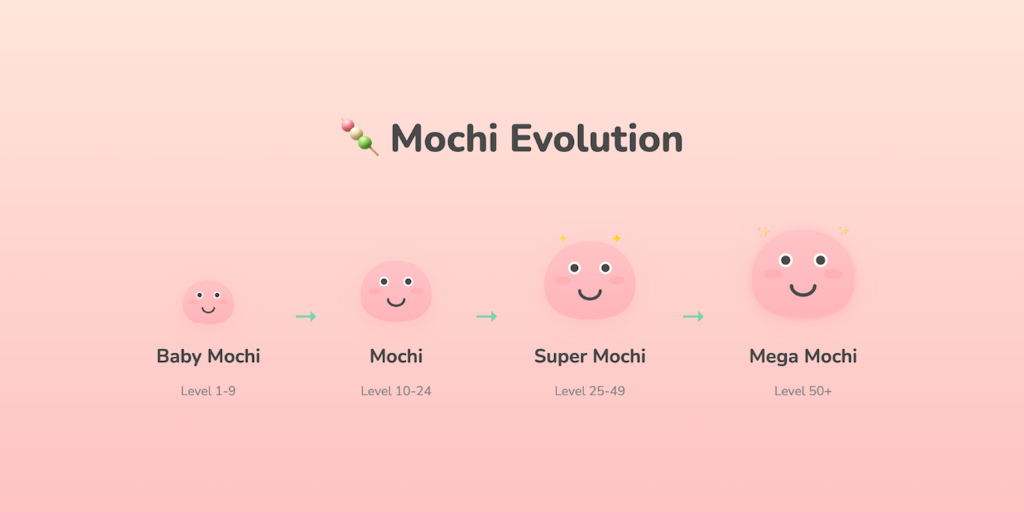
Mochi Focus - Pomodoro Timer with Evolving Mascot

Cute productivity companion with Pomodoro timer, site blocker & evolving mascot

Deep Focus Flight - Gamified Pomodoro with App Blocking

Turn your focus sessions into airplane flights

Stopwatch.is - Lap Tracking with Data Export

Free online stopwatch with lap tracking and instant data export

Blitzit - AI Converts Thoughts into Task Lists

Simple to-do list & timer app that gives you superpowers

Focus Buddy - Get Into Flow Calmly

A calmer way to get into flow, right at the edge of your screen

Koku - Pomodoro Timer Without Accounts

Distraction-free focus timer with no accounts or subscriptions
Focus Nest - Deep Work Timer

Measure focus quality, not just time - with Integrity Score™
PomodoTree - Pomodoro Timer with Virtual Forest Growth

Pomodoro timer + site blocker + 15+ tools in one Chrome extension

Layn - Site Blocker with Visual Progress Bar

A focus timer that blocks distractions and keeps you in your lane.

Polytimer - Multiple Timers Running Simultaneously

Free online timer, stopwatch & Pomodoro - no signup, no ads, runs in your browser

Punch Time Tracker - Time Blocking Inside Airtable

Make every minute pack a punch with Airtable time tracking

Projects rarely fail because the work was too hard. They fail because nobody could see the whole picture at once, who was doing what, what was blocked, and whether the deadline was still real. A project management tool is a shared source of truth that answers those questions without a status meeting. The right one fades into the background; the wrong one becomes a second job of updating cards nobody reads.

Boards, timelines, and the hours

Teams organize work in a few common shapes. Kanban tools visualize tasks moving through stages, which suits work that arrives unpredictably, while Gantt chart tools map dependencies and dates for projects with a fixed plan. Time tracking tools then show where the hours actually went, which is often a surprise.

Connecting work to goals

Tasks are only worth doing if they ladder up to something. OKR tools tie daily work to measurable objectives so a team can tell progress from mere motion, and all-in-one platforms combine tasks, docs, and goals in a single workspace for teams that would rather not stitch tools together.

The method matters more than the tool

No software fixes an unclear process. Kanban suits shifting priorities, Scrum suits regular delivery cycles, and client work often wants milestones, so match the tool to how your team actually operates rather than the other way round. Pick something the team will keep updated, because a neglected board is worse than none. AI is entering this space through AI task and project management tools, and it pairs closely with team communication tools.

Frequently Asked Questions

What is the best project management tool for small teams?
Linear is widely loved by engineering teams for its speed and clean design. Notion combines project management with documentation in one place. Trello is a simple kanban board that works well for small teams with straightforward workflows. Asana and Monday.com suit teams that need more reporting and cross-team visibility.
What is the difference between agile and waterfall project management?
Waterfall plans the entire project upfront with sequential phases (requirements, design, build, test, launch). Agile breaks work into short iterative sprints with continuous feedback and adaptation. Most software teams use agile (Scrum or Kanban). Non-technical projects sometimes still use waterfall for its predictability when requirements are stable.
What project management tool do software engineering teams prefer?
Linear has become the preferred tool at many high-growth startups for its speed, Git integration, and developer-friendly design. Jira remains dominant in larger enterprises. GitHub Projects suits teams that want project management embedded in their code repository. Shortcut (formerly Clubhouse) is a strong mid-market option.
How do I choose the right project management methodology?
Start with your team's workflow: if work comes in unpredictably and priorities shift frequently, Kanban fits well. If you ship in regular cycles with planning ceremonies, Scrum is appropriate. For client projects with defined deliverables and timelines, a hybrid or milestone-based approach often works better than pure agile.
What is the best project management tool for a small team?
It depends on your work style. Trello and other Kanban boards suit simple, visual workflows, Linear is loved by engineering teams for its speed, and Notion or ClickUp appeal to teams that want tasks and documents in one place. Asana and Monday sit in the middle with more reporting. Start with the one that matches how your team already thinks, and avoid paying for features you will not use.
What is the difference between agile and waterfall?
Waterfall plans the whole project upfront and moves through sequential phases, which works when requirements are stable and known. Agile breaks work into short iterations with feedback and adjustment along the way, which suits changing priorities and most software work. Many teams blend them, planning fixed milestones at the top level while working in agile sprints underneath. Pick the balance your project's certainty allows.